Plot Loan Guide for Devanahalli 2026
Rates & RERA details verified against the K-RERA portal and lender data, July 2026.

A plot loan (land loan) for a Devanahalli gated plot in 2026 typically funds up to 75–80% of the plot value, runs for up to 15 years, and carries interest slightly above a home loan — from around 8.5% p.a. (indicative). If you also plan to build, a composite plot-plus-construction loan stretches the tenure and unlocks the tax benefits a pure land loan does not offer. This guide covers how plot loans work, how they differ from home loans, eligibility, rates, tax and an EMI example for a plot in Devanahalli, North Bangalore.
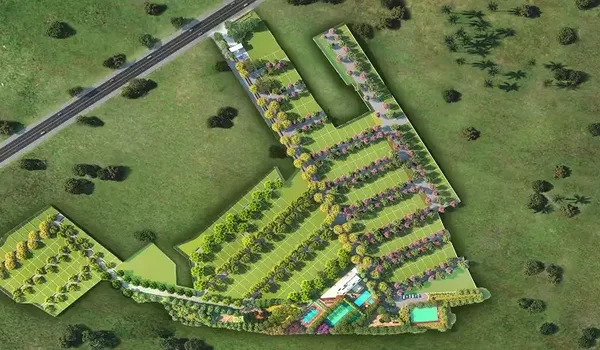
Lenders fund plots most readily in branded, RERA-registered layouts with clear title — for example Brigade Red Earth, a 17-acre, 380-plot gated development by Brigade Group off NH 7, from ₹86.4 Lakhs. Start with the plot-loan-vs-home-loan table below.
Plot Loan vs Home Loan 2026 — Quick Comparison
| Feature | Plot / Land Loan | Home Loan |
|---|---|---|
| Loan-to-value (LTV) | ~75–80% of plot value | ~75–90% of property value |
| Maximum tenure | Up to 15 years | Up to 30 years |
| Interest rate (2026) | Slightly higher — from ~8.5% p.a.~ | From ~7.6–8.5% p.a.~ |
| Tax benefit | None on a pure plot loan | Section 24 & 80C on interest/principal |
| End use | Buy a residential plot only | Buy/build a house |
| Build option | Composite loan adds construction | Construction included |
Rates indicative, as of July 2026 — actual rates depend on the lender, credit score and profile; confirm the current sheet with your bank.
What Is a Plot Loan?
A plot loan, also called a land loan, finances the purchase of a residential plot in an approved layout — not the house on it. Lenders treat it as slightly riskier than a home loan because bare land is harder to value and generates no rent, so the loan-to-value is capped lower (about 75–80%) and the tenure is shorter (up to 15 years). You still need a strong title, an e-Khata and a RERA-registered layout for the loan to clear.
Plot Loan vs Home Loan: The Real Differences
The three differences that matter are cost, tenure and tax. A plot loan's rate sits a little above a home loan's, its maximum tenure is roughly half, and — most importantly — a pure plot loan gives no income-tax deduction. You only unlock Section 24 (interest) and Section 80C (principal) benefits once you build a house on the plot, usually within the period the lender specifies. That is why buyers who intend to construct often take a composite loan.
Composite Loan: Plot Plus Construction
A composite loan funds the plot and the subsequent construction under one sanction. It extends the tenure beyond a bare plot loan and, once the house is built, converts into a home-loan-style facility with the associated tax benefits. If you plan to build a villa on your Devanahalli plot within a few years, a composite loan is usually cheaper over its life than a plot loan refinanced later.
Eligibility & Documents
Lenders look at income stability, credit score, age and the plot's legal standing. Keep ready:
- KYC & income: PAN, Aadhaar, salary slips or ITRs, and bank statements.
- Plot papers: sale agreement, e-Khata, encumbrance certificate and the sanctioned layout plan.
- RERA proof: the layout's K-RERA registration number, which most lenders now require.
- Location limit: the plot should be within municipal or approved-layout limits, not classified as agricultural land.
Interest Rates & an EMI Example
Plot-loan rates in 2026 start from around 8.5% p.a. and move with the Reserve Bank of India repo rate and your credit profile. As a worked example, a ₹60 Lakh plot loan at about 9% over 15 years works out to an EMI of roughly ₹60,850 a month. Shortening the tenure raises the EMI but cuts total interest; a stronger credit score can shave the rate, so compare at least three lenders before you sign.
Why Devanahalli Plots Fund Easily
Lenders are most comfortable funding plots in the kind of branded, clear-title, RERA-registered layouts that dominate the airport corridor in North Bangalore. Devanahalli's gated projects from Brigade, Godrej, Sobha and Birla tick those boxes, so a plot loan here is usually approved faster than for a standalone plot on unapproved land.
Frequently Asked Questions
1. Can I get a loan to buy a plot in Devanahalli?
Yes. Banks and housing finance companies offer plot (land) loans for residential plots in approved, RERA-registered gated layouts, typically funding up to 75–80% of the plot value.
2. What is the interest rate on a plot loan in 2026?
Plot-loan rates start from around 8.5% p.a. (indicative), slightly higher than home-loan rates, and vary by lender, tenure and your credit score.
3. What is the maximum tenure for a plot loan?
Usually up to 15 years for a pure plot loan, versus up to 30 years for a home loan. A composite plot-plus-construction loan can extend the tenure.
4. Do plot loans have tax benefits?
A pure plot loan has no income-tax benefit. You unlock Section 24 and 80C deductions only after you build a house on the plot, which a composite loan supports.
5. How much loan can I get on a plot?
Typically 75–80% of the plot value, subject to your income, credit score and the plot's legal standing. The rest is your down payment.
6. What documents does a plot loan need?
KYC and income proof, the sale agreement, e-Khata, encumbrance certificate, the sanctioned layout plan and the layout's K-RERA registration number.
Conclusion
A plot loan makes a Devanahalli villa plot affordable by funding up to 80% of its value, though at a slightly higher rate and shorter tenure than a home loan — and with tax benefits only once you build, ideally via a composite loan. Branded, RERA-registered layouts fund fastest, and Brigade Red Earth — 380 plots on 17 acres from ₹86.4 Lakhs — is exactly the clear-title kind lenders prefer. Compare the current plot prices and master plan, and schedule a call to plan your loan and booking.
Brigade Red Earth Blog