How to Buy a Plot in Devanahalli 2026: Step-by-Step Guide
Charges & RERA details verified against the K-RERA portal and Kaveri 2.0, July 2026.
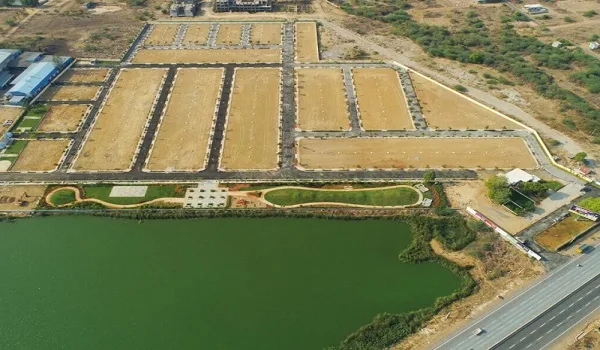
Buying a plot in Devanahalli in 2026 comes down to five clean steps: shortlist a RERA-approved gated layout, verify the title and Khata, arrange finance, pay stamp duty and register the sale deed on Kaveri 2.0, then transfer the Khata and start paying property tax. Do these in order and a plot purchase in Devanahalli, North Bangalore, is safer and simpler than most buyers expect. This guide walks each step, with the current stamp-duty and registration charges you should budget for.
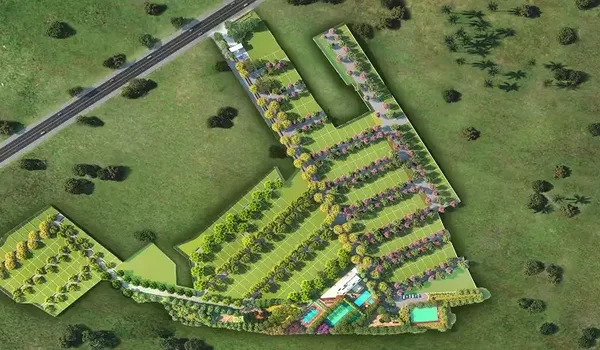
A good example of a buy-ready, branded layout on the airport corridor is Brigade Red Earth, a 17-acre, 380-plot gated development by Brigade Group off NH 44, from ₹86.4 Lakhs — the kind of clear-title, RERA-track plot that keeps the process below straightforward. Start with the cost table.
Plot Buying Costs in Devanahalli 2026 — Stamp Duty & Registration
| Plot value | Stamp duty | Registration fee |
|---|---|---|
| Up to ₹20 lakh | 2% | 2% |
| ₹20 lakh – ₹45 lakh | 3% | 2% |
| Above ₹45 lakh | 5% | 2% |
| Plus (on stamp duty) | 10% cess | 2% urban / 3% rural surcharge |
Charges indicative, as of July 2026 — the Karnataka registration fee rose from 1% to 2% on 31 Aug 2025. Confirm the current slab on Kaveri 2.0 before you register.
As a rough budget, on a ₹50 lakh plot expect about ₹2.5 lakh stamp duty and ₹1 lakh registration, plus the cess and surcharge on the duty — so keep roughly 7–8% of the plot value aside for transaction costs.
Step 1: Shortlist a RERA-Approved Gated Layout
Start with the project, not the plot. Prefer a branded, gated layout with a K-RERA registration number you can look up, a clear non-agricultural (NA) conversion and released infrastructure — roads, drainage, water and electricity. A RERA registration means the layout plan, approvals and timelines are on public record, which is your first line of defence against an unapproved or disputed layout.
Step 2: Verify Title, Khata & Documents
This is the step that protects your money. Ask for and check:
- Mother deed & sale deed chain: an unbroken ownership trail proving the seller can sell.
- Encumbrance Certificate (EC): from Kaveri 2.0, confirming the plot is free of loans or liens.
- Khata / e-Khata: a digitally signed e-Khata is now mandatory for registration; confirm it exists in the seller's name.
- DC conversion order: proof the land is converted to non-agricultural residential use.
- Approved layout plan & RERA number: matching the plot you are buying.
- Latest tax-paid receipt: showing property tax is up to date.
A branded developer supplies these as a standard package; for a resale or unbranded plot, have a property lawyer run the title before you pay any advance.
Step 3: Arrange Finance & Plot Loan
If you need funding, banks offer a plot (land) loan of roughly 75–80% of the plot value over up to 15 years; a composite loan can cover the plot plus construction if you intend to build. Get a sanction in principle before you commit, so your budget — including the 7–8% transaction costs above — is locked. Our plot loan guide covers eligibility, rates and the plot-versus-home-loan difference in detail.
Step 4: Pay Stamp Duty & Register the Sale Deed
Once the title is clear and finance is ready, pay stamp duty and registration and execute the sale deed at the sub-registrar's office through Kaveri 2.0. Both buyer and seller (or a registered Power of Attorney holder) sign, and the deed is registered in your name. Keep the registered deed, the challan and the EC updated after registration — these are your proof of ownership.
Step 5: Transfer the Khata & Pay Property Tax
After registration, apply to transfer the e-Khata into your name through the Namma Swathu / e-Aasthi portal and begin paying property tax. A Khata in your name completes the ownership record and is essential later for a building licence, a loan against the plot or a clean resale.
Frequently Asked Questions
1. What are the steps to buy a plot in Devanahalli?
Shortlist a RERA-approved gated layout, verify the title and e-Khata, arrange finance, pay stamp duty and register the sale deed on Kaveri 2.0, then transfer the Khata into your name and start paying property tax.
2. What is the stamp duty and registration charge on a plot in Karnataka in 2026?
Stamp duty is 2% up to ₹20 lakh, 3% between ₹20–45 lakh and 5% above ₹45 lakh, plus a 10% cess and a 2% urban (3% rural) surcharge on the duty. The registration fee is 2% of the value, revised from 1% on 31 August 2025.
3. What documents should I check before buying a plot?
The mother deed and sale deed chain, an Encumbrance Certificate, the e-Khata, the DC conversion order, the approved layout plan with RERA number and the latest tax-paid receipt.
4. Is e-Khata mandatory to register a plot in Bangalore?
Yes. A digitally signed e-Khata from Namma Swathu or Kaveri 2.0 is now mandatory for property registration, loans and building-plan sanction in Bengaluru.
5. Can I get a loan to buy a plot in Devanahalli?
Yes. Banks offer a plot loan of about 75–80% of the value over up to 15 years, and a composite loan can fund the plot plus construction if you plan to build.
6. Roughly how much extra should I budget beyond the plot price?
Keep about 7–8% of the plot value aside for stamp duty, registration, cess, surcharge and legal charges — for a ₹50 lakh plot that is roughly ₹3.5–4 lakh.
Conclusion
Buying a plot in Devanahalli in 2026 is a five-step process — shortlist a RERA-approved layout, verify title and Khata, arrange finance, register on Kaveri 2.0, and transfer the Khata — with roughly 7–8% of the price set aside for stamp duty and registration. Buy inside a branded, gated layout and every step gets simpler: launches like Brigade Red Earth deliver 380 plots on 17 acres from ₹86.4 Lakhs with a clean, RERA-track paper trail. Compare the current plot prices and master plan, and book a site visit to start the process.
Brigade Red Earth Blog